
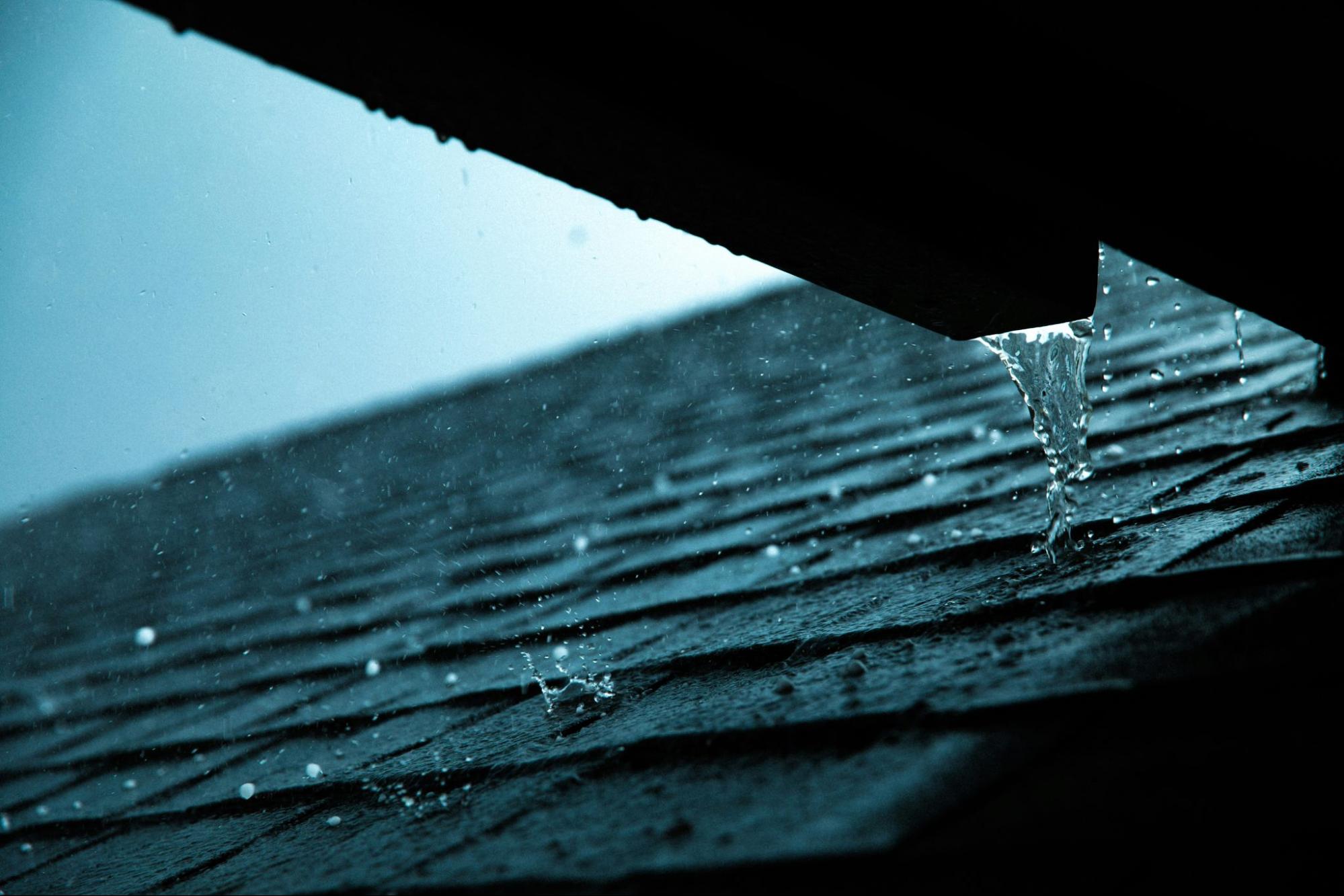
A damp spot on the ceiling, a musty smell in the basement or brownish marks on the walls: these signs can reveal active water infiltration in your property. This common problem affects many Quebec homeowners, especially after periods of heavy rain or snowmelt.
In this article, you’ll learn how to quickly identify the signs ofwater infiltration, react effectively in anemergency situation and understand what to do to protect your investment. The explanations are simple and action-oriented.
Key points to remember
- Water infiltration can manifest itself as damp stains, musty odours or traces of mould.
- Critical areas to monitor include the roof, foundation, windows and plumbing.
- As a matter of urgency, cut power to affected areas, protect your property and document damage
- Finding the source requires methodical inspection of potential entry points
- A qualified professional can pinpoint the source and propose lasting solutions.
What is water infiltration in concrete terms?
Water infiltration occurs when water enters your home through unanticipated openings or structural weaknesses. Unlike simple, visible water damage,water infiltration often sets in gradually and can remain invisible for weeks.
Water can seep through damaged roofs, faulty flashings, foundation cracks, worn window seals or even by capillary action from the ground. The danger lies in its insidious nature: by the time you see the traces, the water has probably already been circulating for some time in your walls or structure.
This situation calls for a rapid response to avoid costly structural damage, toxic mold formation and deterioration of insulating materials.
What to do in an emergency
Secure the premises immediately
Turn off electricity in affected areas to avoid the risk of electrocution. If you cannot access the electrical panel safely, call Hydro-Québec or 911. Keep children and pets away from affected areas.
Protect your assets
Move furniture, electronics and valuables away from the area ofwater ingress. Place trays or towels to limit the spread of water.
Document the situation
Take detailed photos and videos of the damage from several angles. Note the date, time and weather conditions. This documentation will be essential for your insurance claims.
Ventilate and dry
Open windows if possible, use fans and a dehumidifier to reduce humidity. Sponge up standing water quickly.
Contact the professionals
In anemergency, call a qualified roofer who can intervene quickly. For major damage, contact your insurer within 24 hours.

The signs that don’t deceive
If it’s not an emergency, but you’re not sure whether you have water infiltration, here’s how to confirm it.
Visible traces of moisture
Yellowish or brownish rings on the ceiling, progressively enlarging stains, swelling paint or wallpaper, crumbling plaster: these marks reveal the presence of active water.
Smells and sensations
A persistent musty, damp earthy or musty smell often indicates hidden water infiltration. The air may feel heavier and ambient humidity unusually high.
Structural signs
Floors that become spongy, baseboards that peel, ceramic joints that blacken or windows that condense excessively are worrying indicators.
Presence of mould
Black, green or gray stains on walls, ceilings or in corners reveal a prolonged moisture problem that requires rapid intervention.
How to find the source of infiltration
Roof and flashing inspection
Start by checking your roof from the outside. Look for missing, cracked or lifted shingles. Take a close look at the flashings around chimneys, vents and dormers, as these areas are particularly vulnerable.
Checking foundations
Inspect the exterior perimeter of your home for cracks in the foundation. Check that the slope of the lot directs water away from the house and that gutters are working properly.
Examination of windows and doors
Check the caulking around the openings. Run your hand along the frame to feel for drafts or moisture.
Attic and wall test
In the attic, use a flashlight to spot water marks on rafters or insulation. Touch interior walls to identify abnormally cold or damp areas.
If you can’t find the source, a professional can use a thermal camera or moisture detector to pinpoint the problem.

Reacting to your situation
If the traces are recent and limited
Monitor the area daily for two weeks. Note if the spots grow larger or if new ones appear. Check for obvious sources yourself, such as clogged gutters.
If infiltration is active or extensive
Call in a professional roofer for a complete inspection. A precise diagnosis will identify the exact source and true extent of the damage, even if it’s not visible.
If you notice mold
Consult a specialist immediately. Mold is a health hazard and usually indicates long-standing water infiltration requiring in-depth intervention.

Best practices in prevention
Regular roof inspection
Examine your roof twice a year, ideally in spring and fall. Check the condition of shingles, flashings and vents. This simple routine can preventwater infiltration through the roof.
Gutter maintenance
Clean your gutters and downspouts at least twice a year. Make sure water drains at least 1.5 m from your foundation. Well-maintained gutters considerably reduce the risk of water infiltration.
Monitoring caulking condition
Check caulking around windows, doors and other openings annually. Replace cracked or loose seals immediately. Effective caulking is your best defense against infiltration.
Adequate ventilation
Make sure your attic is well ventilated to avoid condensation build-up. Use fans in the bathroom and kitchen to reduce indoor humidity.
Things to remember
Water infiltration detected early causes far less damage than a problem ignored for months. Your home sends you signals: stains, odors, excessive humidity. By responding quickly, you protect both your investment and your family’s health.
Most homeowners can identify the warning signs, but pinpointing the source and assessing the true extent of the damage often requires the expertise of a professional. A complete diagnosis will help you avoid spending unnecessary money on poor repairs.
Help with your situation
If you see signs ofwater infiltration or would like a preventive inspection of your roof, our team can help. We offer accurate diagnoses and solutions tailored to your specific situation, without pressure or alarmism.
Contact us at for expert advice and to protect your property.
Frequently asked questions
How long does it take for water infiltration to cause serious damage?
Mould can develop in as little as 24 to 48 hours. Structural damage generally appears after a few weeks of continuous infiltration, depending on intensity and location.
Does my home insurance cover water infiltration?
It all depends on the cause. Seepage due to lack of maintenance is often excluded, while seepage caused by a sudden event such as a storm is usually covered. Check your policy.
Can I repair water infiltration myself?
You can manage the emergency and carry out minor repairs such as caulking. However, to identify the exact source and guarantee a lasting repair, the expertise of a professional roofer is recommended.
How often should I inspect my roof?
Visually inspect your roof twice a year and after every major storm. A full professional inspection is recommended every three to five years, or more frequently if your roof is over 15 years old.
Is water infiltration more frequent in certain seasons?
Yes, spring, when the snow melts, and autumn, with its heavy rainfall, are the periods most at risk. Winter can also cause problems with the formation of ice dams on roofs.
0 Comments